When to Upgrade Your Electrical Panel: 7 Warning Signs Homeowners Shouldn't Ignore
SHARE THIS ARTICLE
When to Upgrade Your Electrical Panel: 7 Warning Signs Homeowners Shouldn't Ignore
Your electrical panel serves as the heart of your home's electrical system, distributing power safely to every outlet, appliance, and light fixture. However, as homes age and electrical demands increase, many panels struggle to keep up with modern requirements. Understanding when to upgrade your electrical panel is crucial for safety, functionality, and protecting your investment.
Why Electrical Panel Upgrades Matter
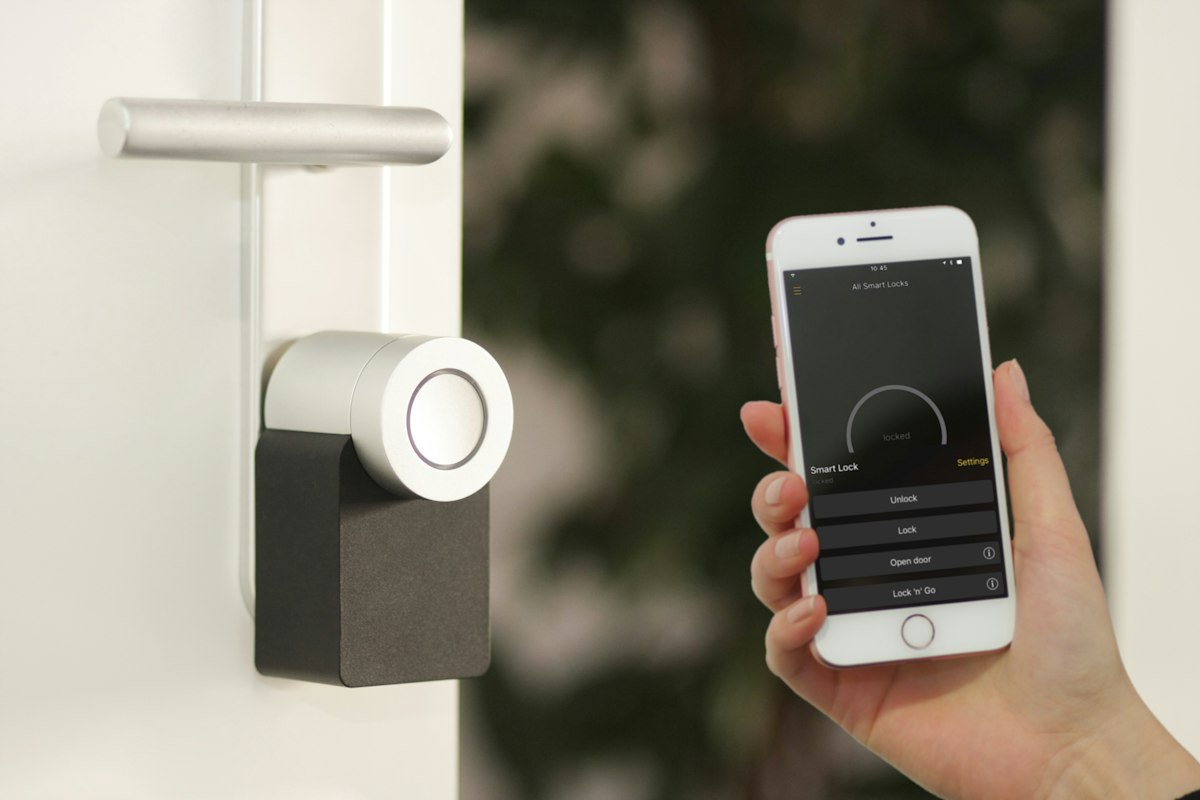
The average American home uses significantly more electricity today than it did just two decades ago. Modern households power multiple computers, smart home devices, electric vehicle chargers, high-efficiency HVAC systems, and countless other electronics that previous generations never imagined. Meanwhile, many homes still rely on electrical panels installed 30, 40, or even 50 years ago, designed for a fraction of today's electrical load.
An outdated or undersized electrical panel creates serious safety hazards. When a panel cannot handle the electrical demand, it can overheat, cause frequent breaker trips, or in worst-case scenarios, lead to electrical fires. According to the National Fire Protection Association, electrical failures or malfunctions were involved in an estimated 24,000 home fires annually, causing hundreds of deaths and over a billion dollars in property damage.
Seven Critical Warning Signs
1. Frequent Circuit Breaker Trips
If you find yourself constantly resetting tripped breakers, your panel is sending a clear message: it cannot handle your electrical load. While occasional trips are normal when you overload a single circuit, frequent trips indicate your panel is working beyond its capacity. This is particularly common when running multiple high-draw appliances simultaneously, such as your air conditioner, electric dryer, and microwave.
Modern electrical panels should handle typical household loads without issue. If yours cannot, it is time for an evaluation.
2. Flickering or Dimming Lights
Lights that flicker or dim when you turn on major appliances signal that your electrical system is struggling to distribute power effectively. This occurs when large appliances draw significant current, temporarily reducing voltage to other circuits. While minor dimming might seem like a nuisance, it indicates voltage fluctuations that can damage sensitive electronics and shorten the lifespan of your appliances.
Persistent flickering or dimming, especially in multiple rooms, suggests your panel cannot maintain stable voltage distribution across your home's electrical system.
3. Panel Age Over 25 Years
Electrical panels have a finite lifespan. Most experts recommend replacing panels that are 25 to 40 years old, even if they appear to function properly. Older panels use outdated technology, lack modern safety features, and may contain components that degrade over time.
Homes built before the 1990s often have 60-amp or 100-amp panels, which are insufficient for today's electrical demands. Modern homes typically require 200-amp service to safely power contemporary appliances, electronics, and systems.
4. Burning Smell or Discoloration
A burning smell near your electrical panel or visible discoloration on the panel box represents an immediate safety hazard. These signs indicate overheating, which can result from loose connections, corroded wires, or circuits operating beyond their capacity. Overheating electrical components can ignite surrounding materials, leading to house fires.
If you notice burning smells, scorch marks, or melted components around your panel, contact a licensed electrician immediately and avoid using high-draw appliances until the issue is resolved.
5. Rust or Moisture Damage
Electrical panels and moisture do not mix. Rust, corrosion, or water stains on or around your panel indicate moisture intrusion, which creates dangerous conditions. Water conducts electricity and can cause short circuits, electrocution hazards, and accelerated deterioration of electrical components.
Moisture problems often stem from roof leaks, foundation issues, or condensation in humid environments. Addressing both the moisture source and replacing the compromised panel is essential for safety.
6. Fuses Instead of Circuit Breakers
If your home still uses a fuse box rather than a modern circuit breaker panel, an upgrade is long overdue. Fuse boxes, common in homes built before the 1960s, lack the safety features and capacity of modern panels. They also present practical challenges, as homeowners often replace blown fuses with incorrect amperage ratings, creating fire hazards.
Modern circuit breaker panels offer superior protection, easier reset capability, and the capacity to handle contemporary electrical loads safely.
7. Adding Major Appliances or Systems
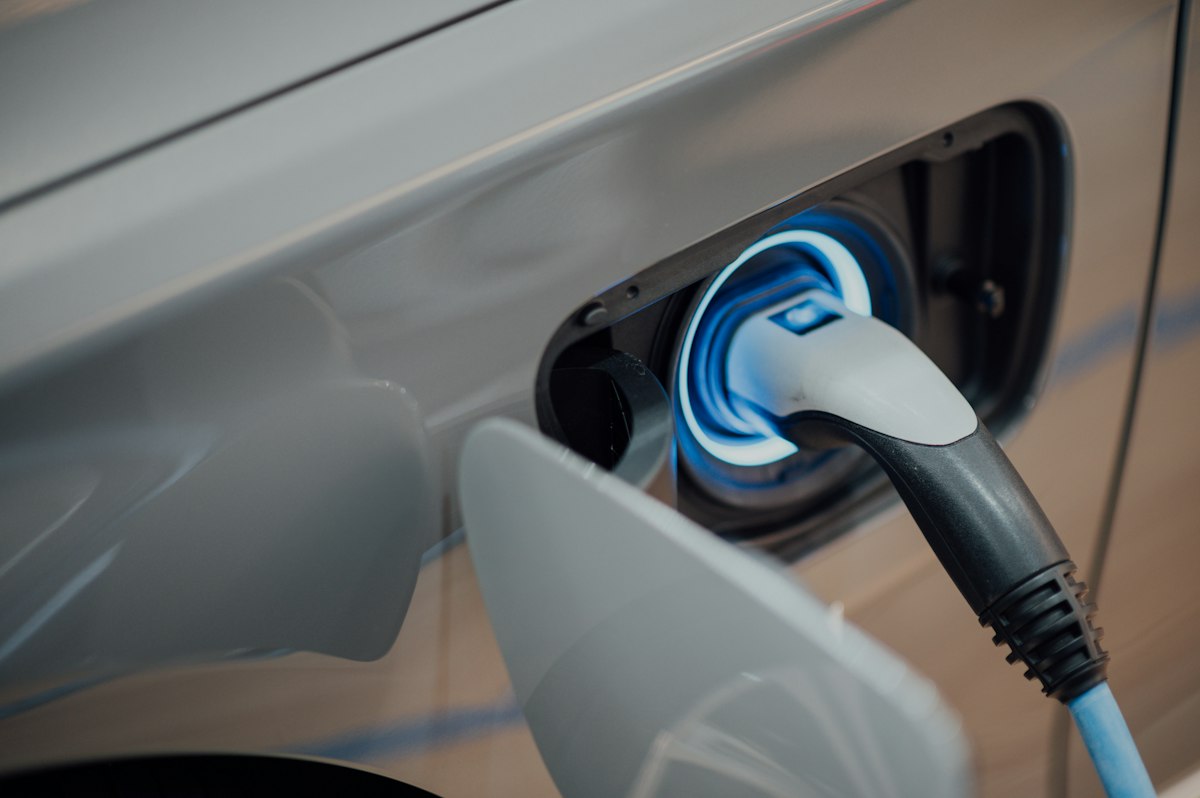
Planning to install an electric vehicle charger, hot tub, central air conditioning, or other major electrical additions? Your existing panel may lack the capacity to support these additions safely. Most EV chargers require dedicated 240-volt circuits drawing 40 to 50 amps, while central air systems can draw 15 to 60 amps depending on size.
Before adding significant electrical loads, have a licensed electrician evaluate whether your panel can accommodate the additional demand or if an upgrade is necessary.
Understanding Panel Capacity
Electrical panels are rated by their amperage capacity, which determines how much total current they can safely distribute. Common residential panel sizes include:
- 60-amp panels: Found in older, smaller homes; inadequate for modern needs
- 100-amp panels: Minimum for small to medium homes without major electric appliances
- 200-amp panels: Standard for modern homes; handles most residential needs
- 400-amp panels: Required for large homes or properties with extensive electrical demands
Most electricians recommend 200-amp service for contemporary homes. This capacity provides adequate power for standard appliances, electronics, HVAC systems, and leaves headroom for future additions like EV chargers or home additions.
The Upgrade Process
Upgrading your electrical panel is a significant project that requires a licensed master electrician. The process typically involves:
Assessment and Planning: An electrician evaluates your current system, calculates your electrical load, and determines the appropriate panel size for your needs.
Permit Acquisition: Electrical panel upgrades require permits from your local building department. Licensed electricians handle this paperwork and ensure compliance with local codes.
Power Disconnection: The utility company temporarily disconnects power to your home, allowing safe installation of the new panel.
Installation: The electrician removes the old panel, installs the new panel and circuit breakers, reconnects all circuits, and ensures proper grounding.
Inspection: A building inspector verifies that the installation meets all code requirements before the project is considered complete.
The entire process typically takes one to two days, depending on complexity. While your power will be shut off during installation, most electricians can complete the work within a single day, minimizing disruption.
Cost Considerations
Electrical panel upgrades typically cost between $1,500 and $4,000, depending on panel size, complexity, and whether additional work is needed. While this represents a significant investment, consider it essential maintenance that protects your home's value and your family's safety.
Many homeowners find that panel upgrades pay for themselves through increased home value, reduced insurance premiums, and the ability to safely add valuable amenities like EV chargers or home additions.
Don't Wait for an Emergency
Electrical panel problems rarely improve on their own. Ignoring warning signs puts your home and family at risk. If you have noticed any of the signs discussed in this article, schedule an evaluation with a licensed electrician. A professional assessment provides peace of mind and ensures your electrical system can safely meet your needs for years to come.
At Compass Electric, we have helped Orange County homeowners upgrade their electrical panels for over 30 years. Our licensed master electricians provide thorough assessments, transparent pricing, and quality installations backed by our workmanship guarantee. Contact us today at (845) 545-1290 to schedule your free consultation.
About the Author: Compass Electric has served Orange County, NY with professional electrical services since 1990. Our licensed master electricians specialize in panel upgrades, generator installations, and comprehensive electrical solutions for residential and commercial properties.
SHARE THIS ARTICLE
About Compass Electric
Compass Electric has served Orange County, NY with professional electrical services since 1990. Our licensed master electricians provide expert guidance and quality workmanship backed by our satisfaction guarantee.
CALL (845) 545-1290