Smart Home Electrical Upgrades That Actually Add Value to Your Property
SHARE THIS ARTICLE
Smart Home Electrical Upgrades That Actually Add Value to Your Property
The smart home market has exploded in recent years, with countless devices promising to make your life easier, safer, and more efficient. However, not all smart home investments deliver equal value. Some gadgets quickly become obsolete or prove more frustrating than helpful, while others provide genuine long-term benefits that enhance your quality of life and increase your property value.
This guide focuses on smart home electrical upgrades that offer tangible returns through energy savings, increased convenience, enhanced security, and higher home values. We will examine which improvements deliver the best value and which you might want to reconsider.
The Foundation: Robust Network Infrastructure
Before investing in smart devices, ensure your home has the network infrastructure to support them reliably. Smart home systems depend on strong, consistent WiFi coverage throughout your property. Dead zones and weak signals lead to frustrating device performance and limit where you can install smart features.
Professional WiFi Systems
Consumer-grade WiFi routers struggle to provide comprehensive coverage in larger homes or properties with challenging layouts. Professional-grade systems like Ubiquiti UniFi offer superior performance through multiple access points that create seamless coverage throughout your home.
These systems provide dedicated management interfaces, guest networks, device prioritization, and detailed usage analytics. While they cost more upfront ($800 to $2,500 installed), they eliminate connectivity frustrations and provide the foundation for reliable smart home operation.
Value proposition: Essential infrastructure that enables all other smart home features to function reliably. Increasingly expected by tech-savvy homebuyers.
Structured Data Cabling
WiFi works well for most devices, but hardwired Ethernet connections offer superior speed and reliability for stationary devices like desktop computers, smart TVs, gaming consoles, and network video recorders. Installing Cat6 or Cat6a cabling during construction or renovation provides future-proof connectivity that supports current and emerging technologies.
Structured cabling also enables professional security camera systems, whole-home audio, and other bandwidth-intensive applications that benefit from wired connections.
Value proposition: Future-proofs your home for emerging technologies, supports professional-grade systems, and appeals to remote workers and tech professionals.
High-Value Smart Home Upgrades
Smart Lighting Systems
Smart lighting represents one of the most impactful and cost-effective smart home upgrades. Modern systems go far beyond simple on/off control, offering dimming, color temperature adjustment, scheduling, and integration with other smart home features.
Whole-home smart lighting involves replacing standard light switches with smart switches or dimmers that control existing fixtures. This approach costs $50 to $150 per switch installed and works with any light bulbs. Popular options include Lutron Caseta, Leviton Decora Smart, and Brilliant Control.
Benefits: Energy savings through automated scheduling and dimming, enhanced ambiance with customizable lighting scenes, improved security through automated presence simulation, and increased convenience through voice control and automation.
Smart lighting typically pays for itself within 5 to 10 years through energy savings while providing immediate quality-of-life improvements. It also appeals strongly to homebuyers, with studies showing that smart lighting can increase home values by 1 to 3 percent.
Value proposition: Excellent return on investment through energy savings, strong buyer appeal, and meaningful daily convenience.
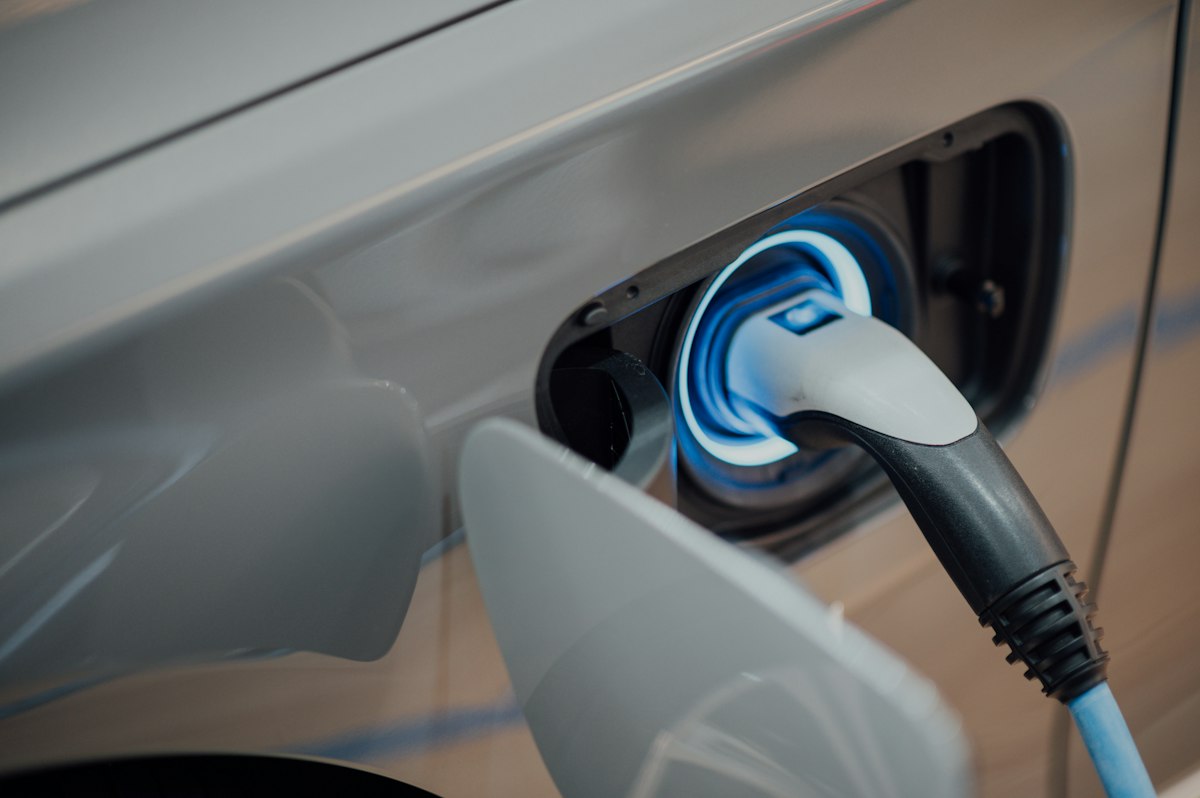
Electric Vehicle Charging Infrastructure
As electric vehicle adoption accelerates, EV charging capability has transitioned from luxury feature to expected amenity in many markets. Installing Level 2 EV charging infrastructure adds significant value, particularly in suburban and upscale markets where EV ownership is common.
Level 2 chargers require dedicated 240-volt circuits, typically drawing 40 to 50 amps. Installation costs range from $800 to $2,500 depending on distance from your electrical panel and whether panel upgrades are needed. Smart chargers ($500 to $1,200) offer scheduling, usage tracking, and integration with home energy management systems.
Benefits: Convenient home charging, lower fueling costs compared to gasoline, ability to take advantage of time-of-use electricity rates, and increased home appeal to EV owners.
Many utilities offer rebates of $250 to $1,000 for EV charger installation, and federal tax credits may be available for qualifying installations. Even if you do not currently own an EV, installing the infrastructure now costs less than retrofitting later and significantly expands your potential buyer pool.
Value proposition: Strong buyer appeal in growing market segment, utility rebates offset costs, future-proofs home for inevitable EV adoption.
Smart Thermostats
Smart thermostats like Nest, Ecobee, and Honeywell Home learn your preferences, adjust automatically based on occupancy, and can be controlled remotely via smartphone apps. They typically cost $200 to $500 installed and can reduce heating and cooling costs by 10 to 23 percent according to independent studies.
Beyond energy savings, smart thermostats provide valuable features like maintenance reminders, air filter notifications, humidity monitoring, and integration with other smart home systems. Many utility companies offer rebates of $50 to $150 for smart thermostat installation.
Benefits: Significant energy savings, enhanced comfort through learning algorithms, remote control for vacation or schedule changes, and detailed energy usage reporting.
Smart thermostats typically pay for themselves within 2 to 4 years through energy savings while providing immediate convenience benefits. They are also among the most recognized and valued smart home features by homebuyers.
Value proposition: Excellent ROI through energy savings, universal appeal to buyers, low cost of entry.
Security Camera Systems
Professional security camera systems provide peace of mind, insurance discounts, and strong buyer appeal. Modern IP camera systems offer high-definition video, night vision, motion detection, remote viewing, and cloud or local storage options.
Professional systems ($1,500 to $5,000 installed) include multiple cameras, network video recorder, professional installation, and structured cabling. They offer superior image quality, reliability, and storage compared to consumer DIY systems.
Key features to prioritize include 4K resolution for clear identification, wide dynamic range for challenging lighting, weatherproof ratings for outdoor cameras, and adequate storage for your retention requirements.
Benefits: Deterrent effect on potential intruders, evidence in case of incidents, remote monitoring while traveling, package delivery monitoring, and potential insurance discounts of 5 to 20 percent.
Security cameras rank among the top smart home features valued by homebuyers, particularly in suburban and upscale markets. Professional systems command higher value than DIY consumer cameras.
Value proposition: Strong security benefits, insurance savings, high buyer appeal, and peace of mind.
Whole-Home Surge Protection
While not glamorous, whole-home surge protection represents one of the smartest electrical investments you can make. These devices install at your electrical panel and protect all your home's electronics, appliances, and smart devices from voltage spikes caused by lightning, utility switching, or other events.
Whole-home surge protectors cost $300 to $800 installed and protect equipment worth tens of thousands of dollars. They work alongside point-of-use surge protectors to provide comprehensive protection for your increasingly electronic home.
Benefits: Protection for expensive appliances and electronics, extended lifespan for smart home devices, peace of mind during storms, and often required by warranty terms for high-end electronics.
Modern homes contain $15,000 to $50,000 worth of electronics and appliances vulnerable to surge damage. A single lightning strike or major surge event can destroy multiple devices, making whole-home protection an excellent insurance policy.
Value proposition: Protects substantial investment in electronics and appliances, low cost relative to potential losses, increasingly expected in quality homes.
Smart Home Upgrades to Reconsider
Smart Appliances
Smart refrigerators, ovens, and washing machines command significant price premiums ($500 to $2,000 more than standard models) but offer limited practical benefits. Most "smart" features prove gimmicky in daily use, and the technology often becomes obsolete before the appliance wears out.
Better approach: Purchase quality standard appliances and invest savings in smart home infrastructure that benefits your entire home rather than individual appliances.
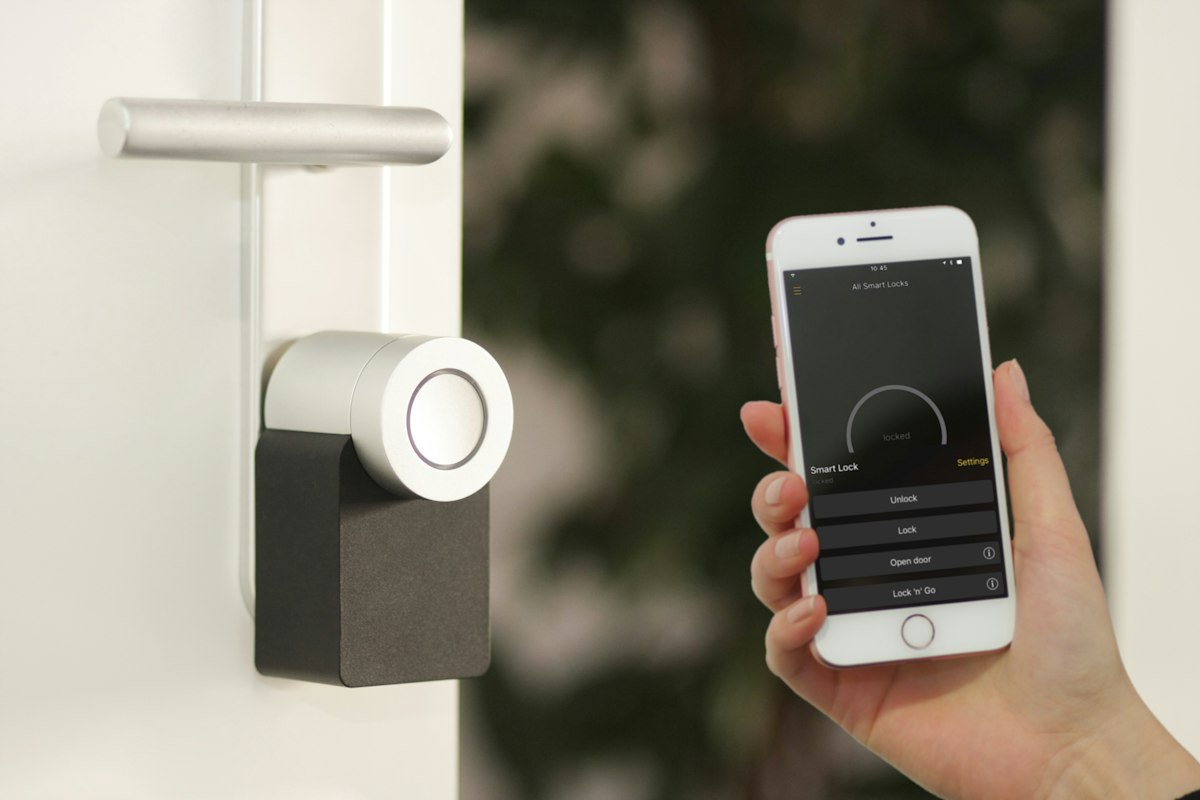
Smart Locks
While convenient, smart locks raise security concerns and reliability issues that may not justify their cost. Battery failures, connectivity problems, and security vulnerabilities have plagued various smart lock models. Traditional high-security locks often provide better actual security at lower cost.
Better approach: If you want smart lock features, choose models from established security companies with strong track records, and maintain traditional key backup options.
Voice-Controlled Everything
Voice control has its place, but adding voice control to every possible device often creates more complexity than convenience. Focus voice control on high-value applications like lighting, thermostats, and music, rather than trying to voice-control every appliance and device.
Better approach: Implement voice control strategically for frequently used functions rather than attempting comprehensive voice control of your entire home.
Integration and Automation
The true power of smart home technology emerges when devices work together through automation rather than requiring individual control. Well-designed automation eliminates the need to manually adjust multiple devices, creating seamless experiences that genuinely improve daily life.
Effective Automation Examples
Morning routine: Single command or schedule that gradually increases lighting, adjusts thermostat, starts coffee maker, and provides weather and calendar briefing.
Departure routine: Leaving home automatically adjusts thermostat to away mode, turns off unnecessary lights, arms security system, and locks smart locks if installed.
Arrival routine: Approaching home disarms security system, unlocks door, adjusts lighting and temperature to preferred settings, and resumes normal operations.
Sleep routine: Bedtime command locks doors, arms security system, turns off lights throughout home, adjusts bedroom temperature for sleep, and sets morning alarm.
These automations save time, reduce energy waste, and enhance security without requiring constant manual intervention. The key is designing automations around your actual routines rather than implementing technology for its own sake.
Professional Installation vs. DIY
Many smart home devices market themselves as DIY-friendly, and some genuinely are. However, certain installations require professional expertise to ensure safety, code compliance, and optimal performance.
Requires Professional Installation
- Smart switches and dimmers (electrical work)
- EV chargers (240-volt circuits, potential panel upgrades)
- Structured data cabling
- Professional security camera systems
- Whole-home surge protection
- WiFi access point installation and configuration
Suitable for DIY
- Smart bulbs (though smart switches are usually better)
- Smart thermostats (if comfortable with basic wiring)
- Plug-in smart outlets
- Battery-powered security cameras
- Voice assistants and smart displays
Professional installation costs more upfront but ensures safety, proper operation, and code compliance. It also typically includes warranty coverage and ongoing support that DIY installations lack.
Planning Your Smart Home Journey
Approach smart home upgrades strategically rather than piecemeal. Start with foundational infrastructure (robust WiFi, structured cabling if renovating), then add high-value features that align with your priorities and lifestyle.
Recommended Implementation Order
Phase 1 - Foundation: Professional WiFi system, whole-home surge protection, structured cabling if renovating.
Phase 2 - High-Value Basics: Smart thermostat, smart lighting in main living areas, EV charger if you own or plan to own an EV.
Phase 3 - Security and Convenience: Security camera system, additional smart lighting, smart garage door opener.
Phase 4 - Advanced Features: Whole-home audio, advanced automation, additional convenience features based on your specific needs.
This phased approach spreads costs over time while ensuring each investment builds on previous upgrades rather than creating a disconnected collection of incompatible devices.
Future-Proofing Considerations
Technology evolves rapidly, but certain principles help ensure your smart home investments remain valuable long-term.
Choose established platforms: Stick with major platforms (Apple HomeKit, Google Home, Amazon Alexa, Samsung SmartThings) that have strong developer support and large user bases.
Prioritize open standards: Devices supporting Matter, Thread, and Zigbee offer better long-term compatibility than proprietary protocols.
Invest in infrastructure: WiFi systems, structured cabling, and electrical capacity upgrades retain value regardless of which smart devices you choose.
Avoid bleeding-edge technology: Let others work out the bugs. Adopt proven technologies rather than being an early adopter of unproven systems.
Conclusion
Smart home electrical upgrades offer genuine value when chosen strategically. Focus on improvements that provide tangible benefits through energy savings, enhanced security, meaningful convenience, or increased property value. Avoid gadgets that offer novelty without substance.
The best smart home is one that works seamlessly in the background, enhancing your life without requiring constant attention or troubleshooting. Professional planning and installation ensure your smart home investments deliver lasting value rather than becoming expensive frustrations.
At Compass Electric, we help Orange County homeowners plan and implement smart home electrical upgrades that align with their goals and budgets. Our licensed electricians have extensive experience with all major smart home platforms and can guide you toward investments that will serve you well for years to come.
Contact us at (845) 545-1290 to discuss your smart home vision and receive expert guidance on which upgrades make sense for your property.
About the Author: Compass Electric has served Orange County, NY with professional electrical services since 1990. Our licensed master electricians specialize in smart home integration, structured cabling, and modern electrical systems for contemporary homes.
SHARE THIS ARTICLE
About Compass Electric
Compass Electric has served Orange County, NY with professional electrical services since 1990. Our licensed master electricians provide expert guidance and quality workmanship backed by our satisfaction guarantee.
CALL (845) 545-1290