Energy-Efficient Electrical Upgrades That Pay for Themselves
SHARE THIS ARTICLE
Energy-Efficient Electrical Upgrades That Pay for Themselves
Rising electricity costs and growing environmental awareness have made energy efficiency a priority for homeowners. While many focus on insulation and HVAC efficiency, electrical system upgrades offer substantial energy savings that often go overlooked. Strategic electrical improvements can reduce energy consumption by 20 to 40 percent while enhancing comfort, convenience, and home value.
This comprehensive guide examines electrical upgrades that deliver measurable returns through reduced energy bills, available incentives, and increased property value. We will focus on improvements with clear payback periods that genuinely improve your quality of life while saving money.
Understanding Your Electrical Energy Consumption
Before investing in upgrades, understand where your electricity goes. The average American home consumes approximately 10,500 kilowatt-hours (kWh) annually, costing $1,300 to $1,600 depending on local rates.
Typical residential energy breakdown:
- Heating and cooling: 45-50%
- Water heating: 12-18%
- Lighting: 8-12%
- Appliances and electronics: 20-25%
- Other (pool pumps, well pumps, etc.): 5-10%
The largest opportunities for electrical savings lie in HVAC systems, water heating, and lighting—areas where electrical upgrades provide the greatest impact.
High-ROI Electrical Upgrades
LED Lighting Conversion
Converting from incandescent or CFL lighting to LEDs represents one of the fastest-payback energy upgrades available. LED bulbs use 75 to 85 percent less energy than incandescent bulbs while lasting 25 to 50 times longer.
Energy savings example: A typical home with 40 light bulbs averaging 60 watts each uses 2,400 watts when all lights are on. Assuming lights operate an average of 3 hours daily:
- Annual consumption: 2,628 kWh
- Annual cost at $0.15/kWh: $394
Replacing with LED equivalents (averaging 9 watts):
- Annual consumption: 394 kWh
- Annual cost: $59
- Annual savings: $335
Investment: LED bulbs cost $2 to $8 each. Converting 40 bulbs costs $80 to $320.
Payback period: 3 to 12 months
Additional benefits: Reduced cooling costs (LEDs generate minimal heat), virtually eliminated bulb replacement costs, and improved light quality with modern LEDs.
Smart LED options: Smart LED bulbs ($10-$25 each) add dimming, scheduling, and automation capabilities. While more expensive, they enable additional energy savings through automated scheduling and dimming.
Smart Thermostats
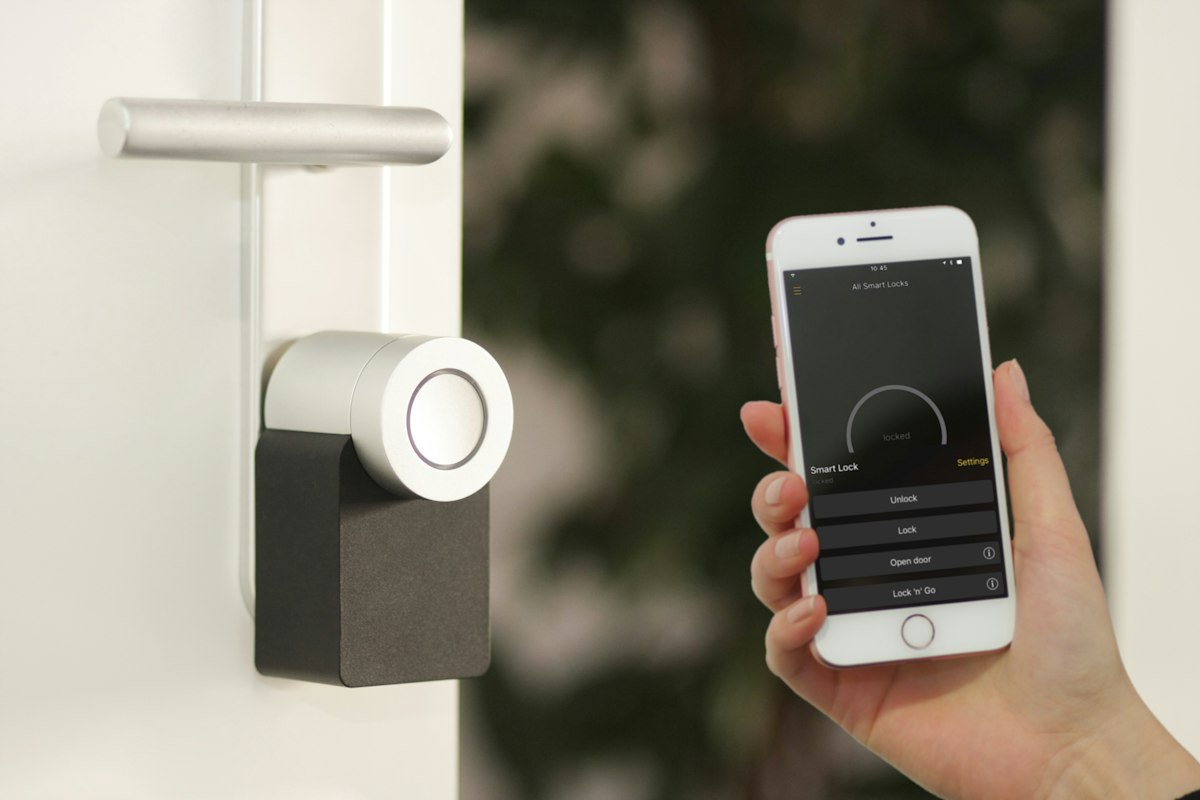
Smart thermostats like Nest, Ecobee, and Honeywell Home optimize heating and cooling through learning algorithms, occupancy detection, and remote control. Studies show smart thermostats reduce heating and cooling costs by 10 to 23 percent.
Energy savings example: For a home spending $1,800 annually on heating and cooling, a smart thermostat saving 15 percent reduces costs by $270 annually.
Investment: Smart thermostats cost $200 to $350 installed.
Payback period: 9 to 16 months
Additional benefits: Remote control allows temperature adjustment from anywhere, preventing energy waste when you forget to adjust settings. Maintenance reminders help keep HVAC systems running efficiently. Many utilities offer rebates of $50 to $150, further improving ROI.
Optimization tips: Use scheduling features to reduce heating/cooling when away or sleeping. Enable geofencing to adjust temperatures based on your location. Review energy reports to identify optimization opportunities.
Heat Pump Water Heaters
Traditional electric water heaters are among the least efficient appliances in your home, converting electricity directly to heat. Heat pump water heaters move heat from surrounding air into water, using 50 to 70 percent less electricity than traditional electric water heaters.
Energy savings example: Traditional electric water heater annual cost: $500-$600. Heat pump water heater annual cost: $150-$250. Annual savings: $300-$400
Investment: Heat pump water heaters cost $1,200 to $2,500 installed (vs. $500-$1,000 for traditional electric).
Payback period: 3 to 5 years
Additional benefits: Federal tax credits of up to $2,000 available for qualifying heat pump water heaters. Many utilities offer rebates of $300 to $750. Some models include smart features for scheduling and monitoring.
Considerations: Heat pump water heaters require adequate space and ambient temperature (typically 40°F minimum). They work best in basements, garages, or utility rooms with adequate air circulation.
Whole-Home Surge Protection
While not directly reducing energy consumption, whole-home surge protection prevents damage to electronics and appliances that shortens their lifespan and reduces efficiency. Damaged components often consume more energy while providing degraded performance.
Investment: $300 to $800 installed
Benefits: Protects $15,000 to $50,000 worth of electronics and appliances, extends equipment lifespan, and prevents efficiency degradation from surge damage.
ROI: Difficult to quantify directly, but a single major surge event can destroy equipment worth far more than the protection system costs. Many homeowners insurance policies offer discounts for whole-home surge protection.
Ceiling Fans
Ceiling fans reduce heating and cooling costs by improving air circulation. In summer, fans create cooling breezes that allow higher thermostat settings. In winter, reversing fan direction circulates warm air trapped at the ceiling.
Energy savings: Ceiling fans allow thermostat adjustments of 4 to 6 degrees while maintaining comfort. For every degree you raise your thermostat in summer, you save approximately 3 percent on cooling costs.
Example: Raising thermostat 5 degrees saves 15 percent on cooling costs. For $1,000 annual cooling costs, this saves $150 annually.
Investment: Quality ceiling fans with installation cost $200 to $500 each. Energy-efficient DC motor fans use 70 percent less energy than traditional fans.
Payback period: 2 to 4 years
Additional benefits: Improved comfort, reduced HVAC runtime (extending equipment life), and enhanced room aesthetics.
Programmable Switches and Outlets
Programmable switches and smart outlets eliminate phantom power draw from devices that consume electricity even when "off." Many electronics and appliances draw 5 to 20 watts continuously, costing $50 to $200 annually per household.
Energy savings: Smart outlets allow scheduling or remote control to completely cut power to devices when not in use. Eliminating phantom draw from 10 devices averaging 10 watts each saves approximately 876 kWh annually, worth $130 at $0.15/kWh.
Investment: Smart outlets cost $15 to $40 each. Smart switches cost $40 to $100 each installed.
Payback period: 1 to 3 years
Applications: Entertainment centers, computer workstations, kitchen appliances, garage equipment, and holiday lighting.
Attic Ventilation Fans
Proper attic ventilation reduces cooling costs by removing hot air that radiates into living spaces. Solar-powered attic fans provide ventilation without consuming household electricity.
Energy savings: Attic fans can reduce cooling costs by 10 to 30 percent in homes with inadequate attic ventilation. For $1,000 annual cooling costs, this saves $100 to $300 annually.
Investment: Solar attic fans cost $300 to $600 installed. Electric fans cost $200 to $400 plus operating costs.
Payback period: 2 to 5 years
Considerations: Attic fans work best when combined with adequate attic insulation. Ensure your attic has proper intake ventilation to allow air circulation.
Medium-ROI Upgrades
Induction Cooktops
Induction cooktops use electromagnetic fields to heat cookware directly, wasting minimal energy compared to traditional electric or gas ranges. They are 84 percent efficient vs. 74 percent for traditional electric and 40 percent for gas.
Energy savings: Induction cooking reduces cooking energy consumption by 10 to 15 percent. For households spending $100 annually on cooking energy, this saves $10 to $15 annually.
Investment: Induction cooktops cost $800 to $3,000 vs. $400 to $1,500 for traditional electric.
Payback period: 10 to 20+ years on energy savings alone
Additional benefits: Faster cooking (water boils 50 percent faster), precise temperature control, safer operation (cooktop surface stays cool), and easier cleaning. Many homeowners find these benefits justify the investment beyond energy savings alone.
Requirements: Requires compatible cookware (magnetic materials like cast iron or stainless steel). Aluminum and copper cookware will not work unless they have magnetic bases.
Energy Monitoring Systems
Whole-home energy monitoring systems provide real-time visibility into electricity consumption, helping identify energy waste and track savings from efficiency improvements.
Investment: $200 to $500 for quality monitoring systems
Benefits: Identify phantom loads, track appliance consumption, verify savings from efficiency upgrades, and receive alerts for unusual consumption patterns.
ROI: Energy monitoring does not directly save energy but enables informed decisions that lead to 5 to 15 percent consumption reductions. For homes spending $1,500 annually on electricity, this represents $75 to $225 in annual savings.
Payback period: 2 to 7 years
Popular options: Sense, Emporia Vue, and Curb provide detailed circuit-level monitoring with smartphone apps and integration with home automation systems.
Occupancy Sensors
Occupancy sensors automatically turn lights off when rooms are unoccupied, eliminating energy waste from lights left on unnecessarily. They work particularly well in bathrooms, laundry rooms, garages, and closets.
Energy savings: Occupancy sensors typically reduce lighting energy consumption by 20 to 50 percent in controlled areas. For a bathroom with 100 watts of lighting operating 2 hours daily, reducing usage by 40 percent saves 29 kWh annually, worth $4 to $5.
Investment: Occupancy sensor switches cost $25 to $60 each installed.
Payback period: 5 to 15 years per switch
Best applications: High-traffic areas where lights are frequently left on, commercial spaces, and areas with irregular usage patterns.
Long-Term Investments
Solar Panels with Battery Storage
Solar panels generate electricity from sunlight, reducing or eliminating utility bills. Battery storage systems allow you to use solar power at night and during outages.
Energy savings: Solar systems sized to offset 100 percent of consumption eliminate electricity bills. For homes spending $1,800 annually on electricity, this represents $1,800 in annual savings.
Investment: Residential solar systems cost $15,000 to $30,000 before incentives. Battery storage adds $10,000 to $15,000.
Payback period: 8 to 15 years depending on system size, local electricity rates, and available incentives
Incentives: Federal tax credit of 30 percent of system cost. Many states offer additional incentives. Some utilities offer net metering, paying for excess solar production.
Considerations: Solar works best on south-facing roofs with minimal shading. System size depends on available roof space and electrical consumption. Battery storage significantly increases costs but provides backup power during outages.
Electrical Panel Upgrades
While not directly saving energy, panel upgrades enable other efficiency improvements like EV chargers, heat pump water heaters, and induction cooking that require additional electrical capacity.
Investment: $1,500 to $4,000
Benefits: Enables high-efficiency electric appliances, supports EV charging, increases home value, and improves safety.
ROI: Indirect through enabling other efficiency upgrades. Panel upgrades typically return 50 to 80 percent of cost in increased home value.
Geothermal Heat Pumps
Geothermal heat pumps use stable underground temperatures to provide extremely efficient heating and cooling, reducing HVAC energy consumption by 30 to 60 percent compared to traditional systems.
Energy savings: For homes spending $2,000 annually on heating and cooling, geothermal systems can save $600 to $1,200 annually.
Investment: $20,000 to $40,000 installed
Payback period: 10 to 20 years
Incentives: Federal tax credits up to $2,000. Many utilities offer rebates of $1,000 to $5,000.
Considerations: Requires adequate land for ground loops or access to groundwater. Best implemented during new construction or major renovations. Extremely long lifespan (25+ years for heat pump, 50+ years for ground loops) provides decades of savings.
Maximizing Your Investment
Take Advantage of Incentives
Federal, state, and utility incentives significantly improve ROI for many efficiency upgrades:
Federal tax credits: Available for solar panels, heat pump water heaters, geothermal systems, and other qualifying improvements. Credits can be substantial—30 percent of costs for many improvements.
State and local incentives: Many states offer additional rebates and tax incentives. New York State has offered various energy efficiency programs through NYSERDA.
Utility rebates: Most utilities offer rebates for energy-efficient appliances, smart thermostats, LED lighting, and other improvements. Contact your utility to learn about available programs.
Financing programs: Many utilities and states offer low-interest financing for energy efficiency improvements, reducing upfront costs.
Prioritize High-Impact Upgrades
Start with improvements offering the fastest payback and greatest impact:
- LED lighting conversion (immediate impact, fastest payback)
- Smart thermostat (quick payback, significant savings)
- Whole-home surge protection (protects other investments)
- Heat pump water heater (substantial ongoing savings)
- Ceiling fans (comfort improvement plus savings)
Once you have implemented high-impact upgrades, consider medium and long-term investments based on your budget and priorities.
Professional Energy Audit
Professional energy audits ($300-$500) identify specific opportunities for your home, prioritize improvements by ROI, and often uncover issues you would not notice. Many utilities offer free or subsidized energy audits.
Audits typically include blower door testing to identify air leaks, infrared thermography to find insulation gaps, and detailed analysis of electrical consumption.
Tracking Your Savings
Document your energy consumption before and after upgrades to verify savings:
Baseline measurement: Note monthly electricity consumption for at least one year before upgrades to establish baseline accounting for seasonal variation.
Post-upgrade monitoring: Track consumption after upgrades, comparing to baseline periods with similar weather conditions.
Energy monitoring systems: Provide detailed real-time data showing exactly how much each upgrade saves.
Utility comparison tools: Many utilities provide online tools comparing your consumption to similar homes and tracking changes over time.
Conclusion
Energy-efficient electrical upgrades offer compelling returns through reduced utility bills, available incentives, and increased home value. Start with high-impact improvements like LED lighting and smart thermostats that pay for themselves quickly, then progress to larger investments as budget allows.
Work with licensed electricians for installations requiring electrical work. They ensure safety, code compliance, and optimal performance while often identifying additional opportunities for savings.
At Compass Electric, we help Orange County homeowners reduce energy consumption through strategic electrical upgrades. Our licensed master electricians assess your home, recommend improvements with the best ROI for your situation, and provide quality installations backed by our workmanship guarantee.
Contact us at (845) 545-1290 to schedule an energy efficiency consultation and start saving on your electricity bills.
About the Author: Compass Electric has served Orange County, NY with professional electrical services since 1990. Our licensed master electricians specialize in energy-efficient electrical systems, helping homeowners reduce consumption while enhancing comfort and convenience.
SHARE THIS ARTICLE
About Compass Electric
Compass Electric has served Orange County, NY with professional electrical services since 1990. Our licensed master electricians provide expert guidance and quality workmanship backed by our satisfaction guarantee.
CALL (845) 545-1290